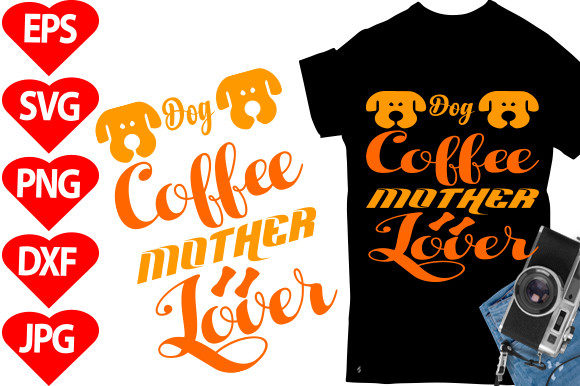
Dog Coffee Mother Lover
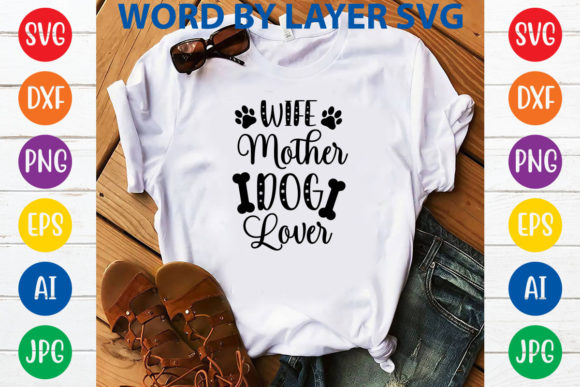
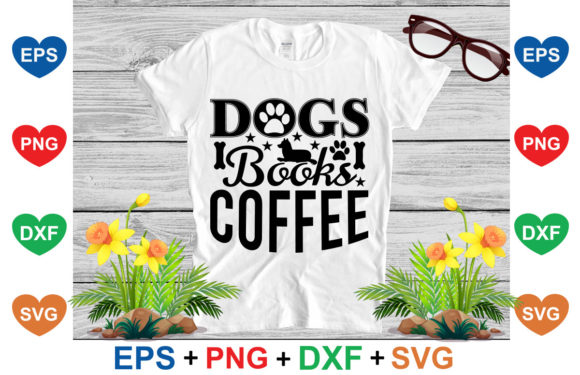
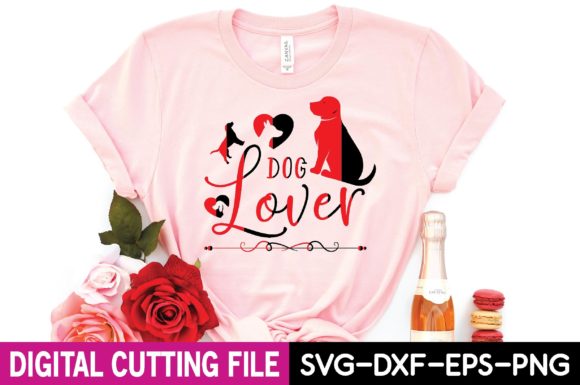
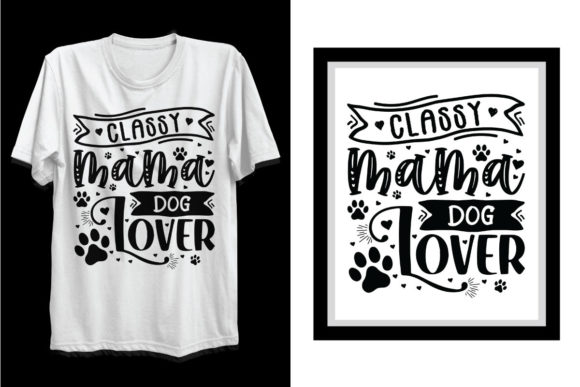
As someone who’s stitched hundreds of designs onto everything from organic cotton onesies to heavyweight denim tote bags, I opened Dog Coffee Mother Lover expecting charm—and got something more nuanced. It’s not just a playful phrase with a paw; it’s a mood, a lifestyle whisper, and a quiet test of how well typography and iconography hold up under needle and thread.
First Impressions: Warm, Witty, and Worn-Well
The design lands like a favorite mug—comforting but intentional. The dog silhouette is friendly without being cartoonish, the “Coffee” sits bold and grounded, “Mother” leans gently into script, and “Lover” curls with soft confidence. There’s no clutter, no forced symmetry—but there *is* rhythm. That matters. In embroidery, rhythm translates to stitch flow: fewer abrupt direction changes, smoother satin stitch transitions, and better fill stitch coverage on curves. I immediately pictured it centered on a natural linen apron for a local café owner—or scaled down as a chest embroidery on a charcoal crewneck sweatshirt for a dog-loving teacher.
Where It Shines: Real Projects, Real People
Dog Coffee Mother Lover thrives where authenticity meets utility. On a medium-weight canvas tote? Perfect. The letterforms have enough weight to read clearly at 3.5”, and the dog icon anchors the composition so it doesn’t float or shrink into insignificance. As a machine embroidery design for baby items? Use it thoughtfully—centered on a swaddle blanket or above a pocket on a knit romper—but avoid tight corners or seam intersections where stitch density could pucker thin fabric.
For Etsy sellers and small shop owners, this is a quietly versatile digital embroidery file. It reads well in both black-on-cream (for farmhouse kitchen towels) and white-on-navy (for boutique sweatshirts). I tested a quick printable mockup on a mockup generator—no resizing needed—and it looked like something you’d see in a curated gift shop, not a generic clipart drop-in.
It also works beautifully as an embroidered patch. The clean outer edges and moderate detail level mean it’ll cut cleanly on most home embroidery machines, and the balanced negative space prevents dense fill stitch buildup that can stiffen fabric. Think: iron-on patches for denim jackets, or sewn-on versions for backpacks and camp totes.
Where to Pause—and Why
This isn’t a one-size-fits-all embroidery file. Its charm depends on context—and respect for fabric behavior. On stretchy knits (like jersey tees), I’d recommend a light cutaway stabilizer and slightly reduced stitch density if your machine allows it—especially around the tighter curves of the script “Mother” and “Lover.” Tiny lettering always risks lost definition, and while this design avoids micro-detail, those flourishes need breathing room.
Dark fabrics demand contrast testing: run a quick black-and-white mockup first. Does “Coffee” still pop when reversed? Does the dog outline stay legible against charcoal or deep burgundy? Likewise, textured fabrics—terry cloth tea towels, bouclé blankets—will mute fine lines. If you’re planning holiday embroidery or nursery decor, consider simplifying the script to a clean sans-serif version before digitizing, unless the original vector files include alternate layouts.
Caps and curved surfaces are trickier. The horizontal layout means you’ll need to size it carefully for front-panel cap embroidery—too wide, and it’ll distort over the crown curve. A 2.75” width max keeps distortion minimal. And skip the tiny hoop sizes: anything under 4×4 inches will crowd the spacing and compromise legibility.
Design Integrity Meets Customer Trust
Here’s what clients notice—even if they don’t say it: cohesion. When Dog Coffee Mother Lover appears on a handmade product, it signals care—not just in stitching, but in curation. It doesn’t scream “mass-produced SVG bundle.” It feels chosen. That builds trust, especially for personalized gifts and boutique branding. A customer buying a custom embroidered pillow cover with this design isn’t just getting decor—they’re getting recognition of identity: dog person, coffee devotee, nurturer, lover of simple joys.
That emotional resonance lifts perceived value. An embroidered tote bag with this design sells faster at craft fairs than generic floral motifs—because it tells a story people want to carry. But only if it’s executed well. Poorly stabilized stitching on a lightweight cotton bag? The script blurs, the dog loses its shape, and the whole message softens into visual noise.
Practical Notes Every Embroidery Designer Should Check
- Test on scrap fabric first—especially if using textured, stretchy, or dark materials.
- Review thread color contrast: warm tan thread on oatmeal linen? Yes. Light grey on heather grey? Probably not.
- Confirm hoop size compatibility: this design benefits from at least a 4×4 inch hoop for clarity and spacing.
- Inspect small details in the original vector files—does the dog’s ear or the coffee cup handle hold up at 2.5”? Zoom in before finalizing.
- Try black-and-white mockups to assess readability across fabric tones.
- Use appropriate stabilizer: tear-away for stable wovens, cutaway for knits, and fusible for lightweight linens.
- Verify licensing before selling finished products or digital embroidery files—this is a Graphics design intended for T-Shirt Designs and broader craft use, but commercial rights must be confirmed directly with the source.
Bottom line? Dog Coffee Mother Lover is a confident, cohesive embroidery file that earns its place in your design assets—not because it’s trendy, but because it’s thoughtful. It fits real life: the mom refilling her mug while her dog naps at her feet, the barista embroidering her own apron, the Etsy seller bundling it with a ceramic mug as a “Dog Mom Starter Kit.” It’s not flashy. It’s faithful—to craft, to character, and to the quiet joy of making something that feels like home.